
We cannot shy away from saying that, in the electroplating industry there are certain risks to both workers and the environment. Safe management of chemicals and compliance with environmental regulations are essential aspects to ensure a healthy working environment and reduce ecological impact.
To protect workers, effective safety measures are essential:
- Education and training: personnel must be trained in safety procedures and the proper use of personal protective equipment (PPE).
- Ventilation and exhaust systems: adequate ventilation reduces the accumulation of toxic vapors.
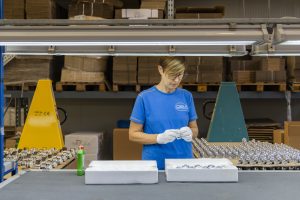
- Use of PPE: gloves, goggles, filter masks and chemical-resistant coveralls are essential to prevent direct exposure to harmful substances.
- Periodic plant checks: regular maintenance of plant and equipment minimizes the risks associated with breakdown or malfunction.
However, there are also some dangers that can harm the environment and which we have always combated by taking appropriate measures such as:
- Adopt wastewater treatment systems: purification of industrial discharges is mandatory to avoid soil and groundwater contamination.
- Reduce the use of hazardous substances: the adoption of less polluting alternatives, such as cyanide-free electrolytes, can improve the sustainability of the process.
- Implement material recycling: the recovery and reuse of precious metals from electroplating baths reduces resource waste and the volume of special waste.
Occupational safety and environmental protection in the electroplating industry are not only regulatory obligations, but also strategic choices to ensure the health of workers and the sustainability of the production process.
Investing in safe technologies, continuous training and environmentally sustainable practices is the key to an efficient and responsible electroplating industry.