In the field of metallurgy, the choice between liquid coating and powder coating is a crucial step in determining the final characteristics of an artifact, both in terms of aesthetics and function. Both technologies have specific advantages, and their adoption depends strictly on the type of material, the environment of use, and the required performance.
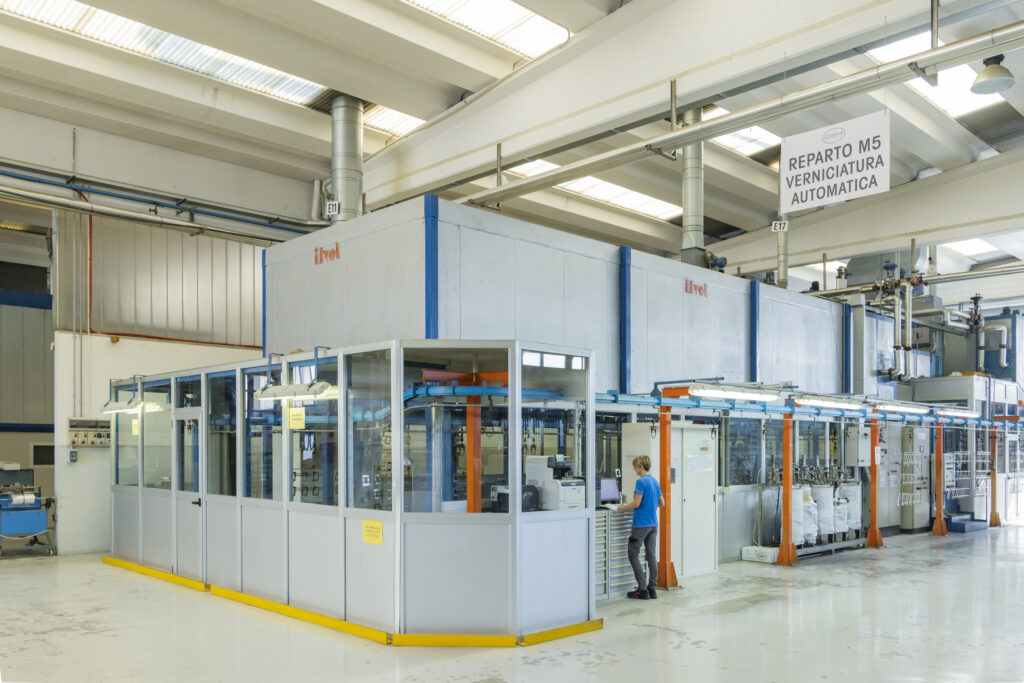
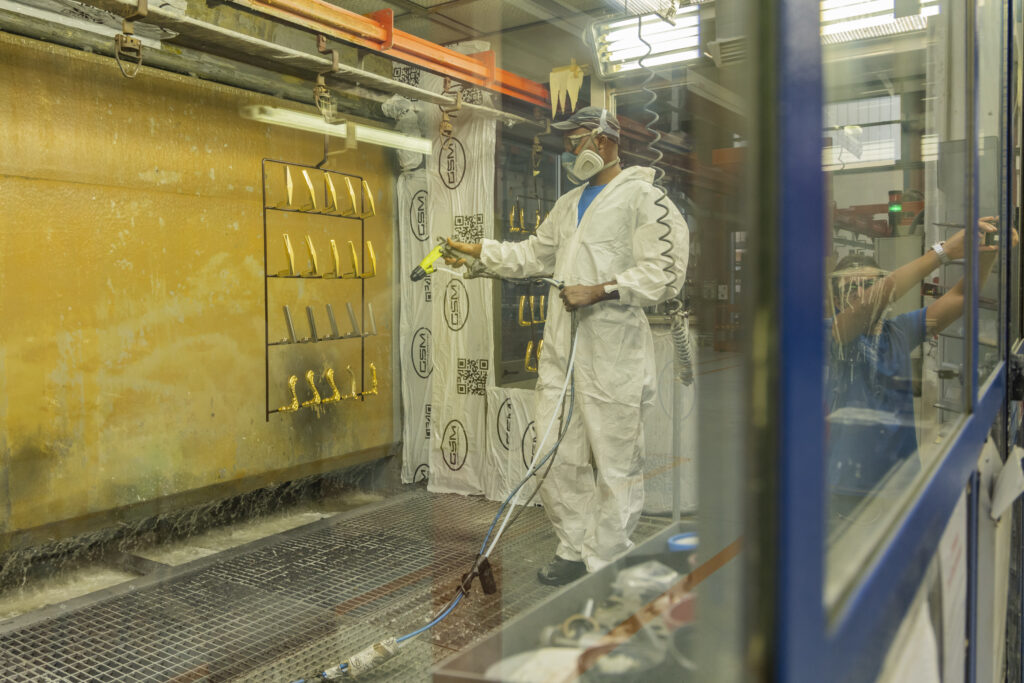
Liquid coating, based on solvent- or water-based paints, is generally applied by spray and provides a smooth, uniform finish even on complex or detailed surfaces. It is particularly suitable when high aesthetic quality finishes are required, with the possibility of custom shades, transparencies or special effects. However, it involves the use of chemical solvents that can emit VOCs (volatile organic compounds), making specific environmental safety measures and appropriate abatement equipment necessary.
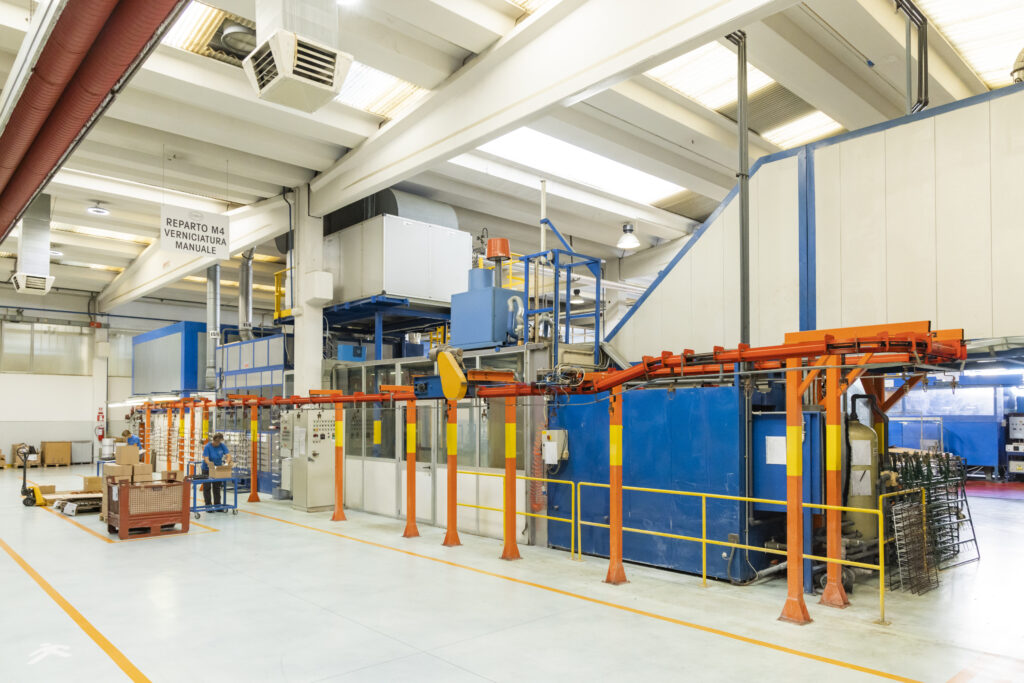
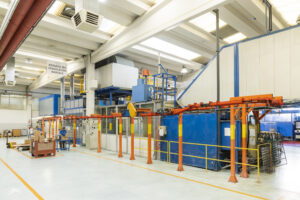
Powder coating, on the other hand, involves the electrostatic application of polymer resin particles that are subsequently cured in an oven. This technique is distinguished by its high resistance to chemical, mechanical and atmospheric agents. It is the ideal choice for artifacts intended for outdoor use or in aggressive industrial environments, such as metal structures, automotive components, electrical equipment and metal furniture. In addition, powder coating is more environmentally sustainable: it requires no solvents and allows excess powder to be recovered and reused.
From an economic point of view, liquid coating may be more cost-effective for small batch production or for large parts that would not easily fit into powder-baking ovens. In contrast, powder coating is more efficient in large batches, where automation reduces time and cost.